A Bygone Era: The Rise and Fall of the American Interurban Rail System
It seems like only yesterday you could hop on a train heading from Fort Wayne to Indianapolis, and never have to ride in a car.
Before the interstate highway system and the era of the personal automobile. There was a different mode of transport sweeping the nation. If you lived in the Midwest or the Northeast during the early 1900s, you were likely within shouting distance of a phenomenon that promised to connect the smallest hamlet to the bustling city center: the Interurban.
What Was an Interurban?
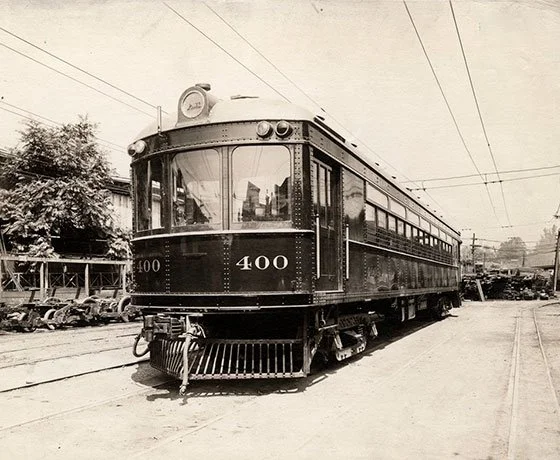
Image of an Interurban car. Union Traction Company (UTC) car #400
Courtesy indianahistory.org
Well, it’s the term coined by Indiana state senator Charles L. Henry. “Interurban” refers to an electric railway that ran between cities. Unlike the massive steam-powered railroads that focused on long-distance, heavy freight, or the slow, localized streetcars that rattled through city centers, the Interurban occupied a “Goldilocks” space.
They were defined by four key traits:
Electric Propulsion: Clean, quiet, and reliable compared to the soot-heavy steam engines of the day.
Passenger-First: They were designed primarily for people—commuters, farmers, and families looking for a day trip.
Heavy-Duty Speed: Their cars were larger, faster, and more luxurious than standard city streetcars.
Versatile Tracks: In cities, they shared the street with local trams. Once in the countryside, they zipped along dedicated rights-of-way, sometimes reaching speeds that rivaled the trains of the era.
The Tech-Boom of the 1900s
At the turn of the 20th century, the Interurban was the tech sensation of it’s day. Between 1901 and 1908, the nation saw an explosion of construction, with over 9,000 miles of track laid down.
In states like Indiana and Ohio, these lines became the lifeblood of the region. It didn’t just carry people; it carried “express” freight, like fresh dairy and crops. It even provided electricity to the rural areas that it passed through. Many people don’t realize that the Interurban played a key role in early rural electrification. The power distribution systems needed for the trains also brought light and energy to isolated farms.
Why It Went Belly Up
If they were so efficient and popular, why are they mostly gone today? Their decline was a perfect storm of social and economic shifts:
The Rise of the Auto: As paved roads became more common in the 1920s, the Model T and its successors proved to be a formidable competitor. The flexibility of owning your own vehicle won over many riders who were tired of fixed schedules.
Economic Fragility: Many Interurban lines were built on thin profit margins. When the Great Depression hit, their revenue streams collapsed.
The "Bus" Transition: When rail service became unprofitable, many companies switched to buses, which were cheaper to operate because they didn't require expensive track maintenance.
Political Landscape: Unlike highways, which received massive government investment, the Interurban system was largely a private enterprise that struggled to compete against heavily subsidized road infrastructure.
The Lasting Legacy
While most of the tracks were torn up by the late 1930s and 40s, the Interurban didn't leave without a trace. Their "DNA" is woven into our modern landscape:
Public Transit Rebirth: Today’s light rail systems in cities like Los Angeles, the Bay Area, and Dallas often follow the very same corridors where the old Interurban lines once ran.
The "Last" Interurban: For decades, the Chicago South Shore & South Bend Railroad (the "South Shore Line") has kept the spirit alive as the last true remaining Interurban in the United States, still connecting Chicago to South Bend.
Suburban Development: The very concept of the "commuter suburb" was pioneered by these lines, which allowed people to work in the city and live in the quiet countryside, a lifestyle we still embrace today.
The Interurban was a brief, brilliant chapter in American history - a testament to a time when we looked to electric rail to shrink the distance between our communities. While the cars have stopped running, the footprints they left behind continue to shape the way we move today.
References
Indiana Historical Society: The Electric Railway: Indiana's Interurbans. This is an excellent, authoritative source for the definition of the term and the history of the "Goldilocks" transit model. Available at indianahistory.org.
Hoosier History Live: Interurbans: Their rise and fall across Indiana. A fantastic repository for the local context, including details on Charles L. Henry, the Traction Terminal in Indianapolis, and the scope of the Indiana network. Available at hoosierhistorylive.org.
Hoosier Heartland Trolley Co.: Sparking Opportunity - Education & Interurban in Indiana. This provides great context on how the system functioned as a bridge between rural and urban life and why the shift in transportation policy affected its viability. Available at hoosiertrolley.org.
Wikipedia (Indiana Railroad Entry): Useful for the technical history of the consolidation of lines in the 1930s and the specific economic pressures (receivership, lack of modernization) that led to the system's decline. Available at en.wikipedia.org/wiki/Indiana_Railroad
Wikipedia (South Shore Line Entry): The most comprehensive history of the "last true remaining interurban." It covers the transition from private ownership to the Northern Indiana Commuter Transportation District (NICTD), which is essential for understanding how the spirit of the system survives today. Available at en.wikipedia.org/wiki/South_Shore_Line

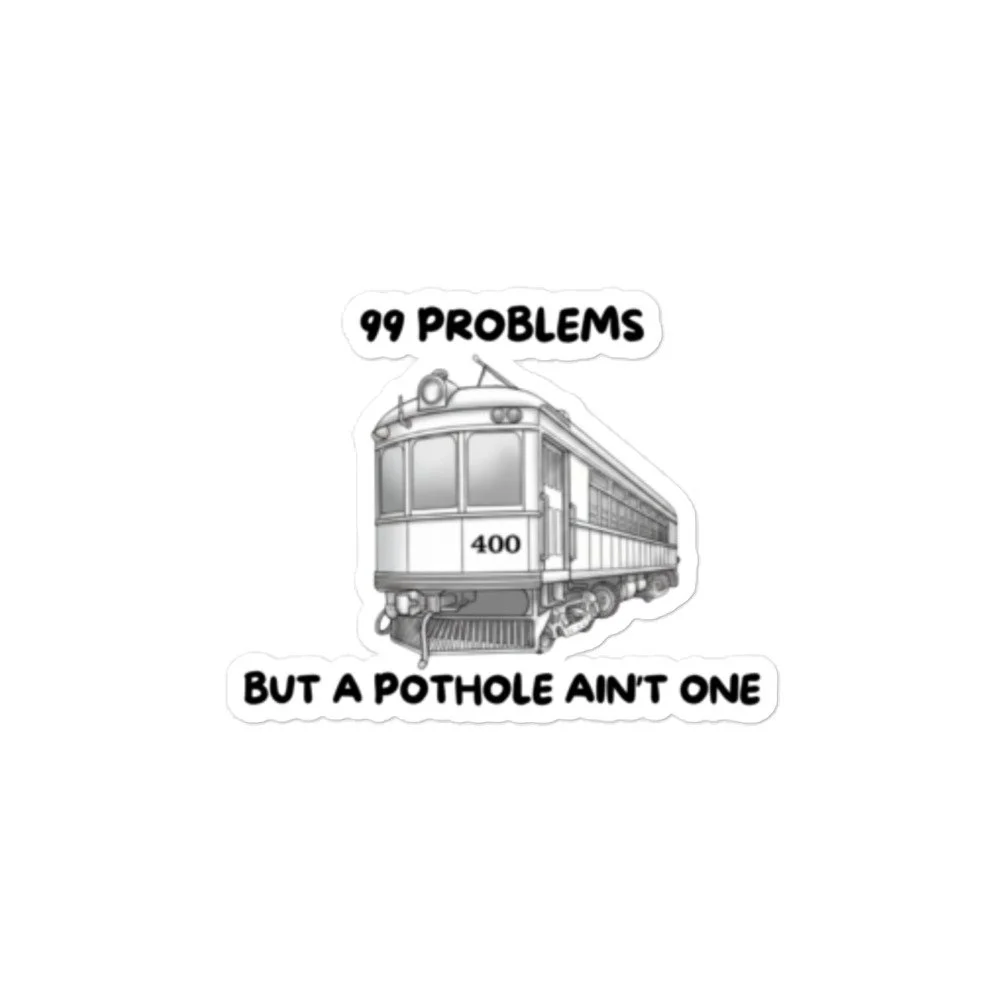
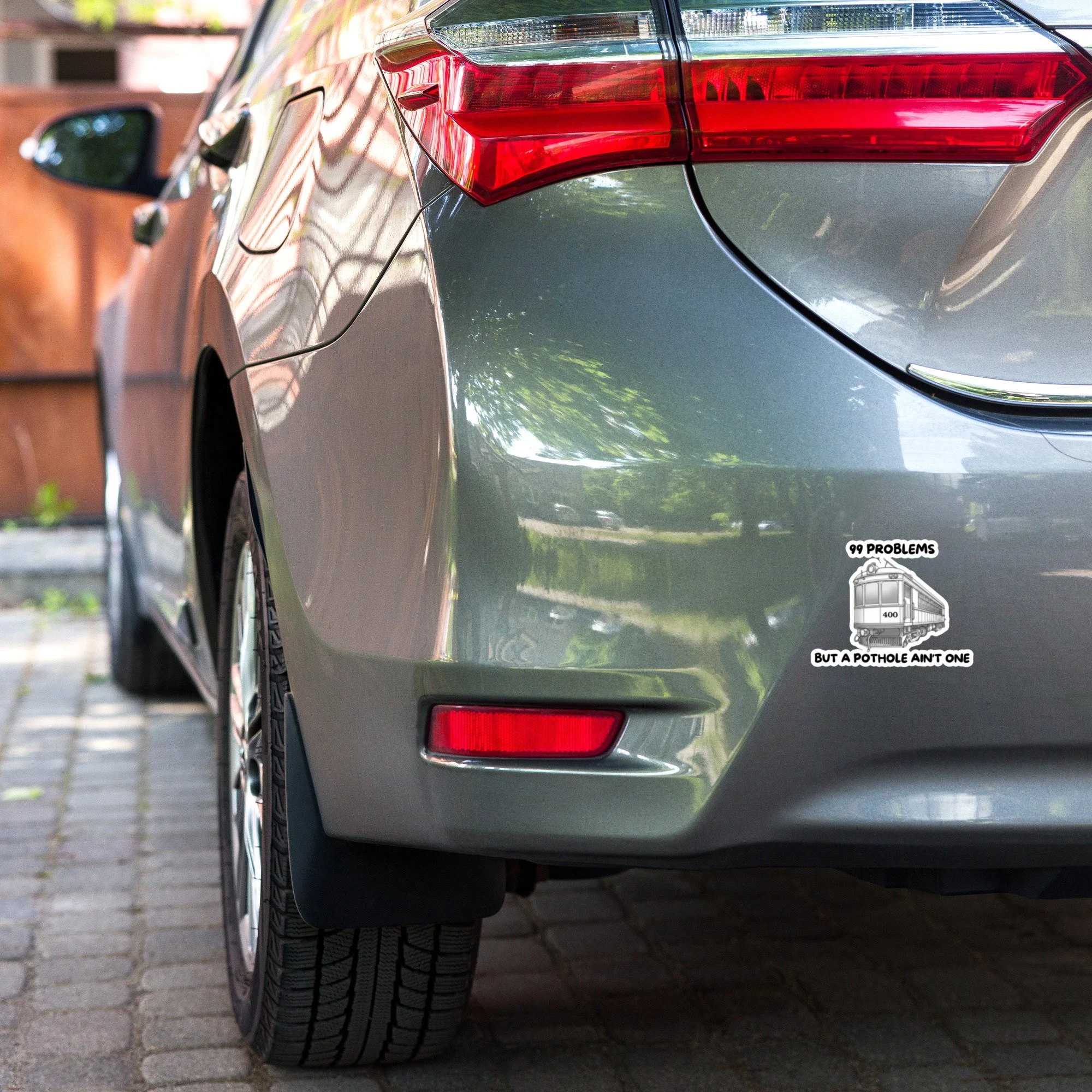
• High opacity film that’s impossible to see through
• Fast and easy bubble-free application
• Durable vinyl
• 95µ density
Don't forget to clean the surface before applying the sticker.
