The Rise and Fall of the Ku Klux Klan in Indiana (1920s)
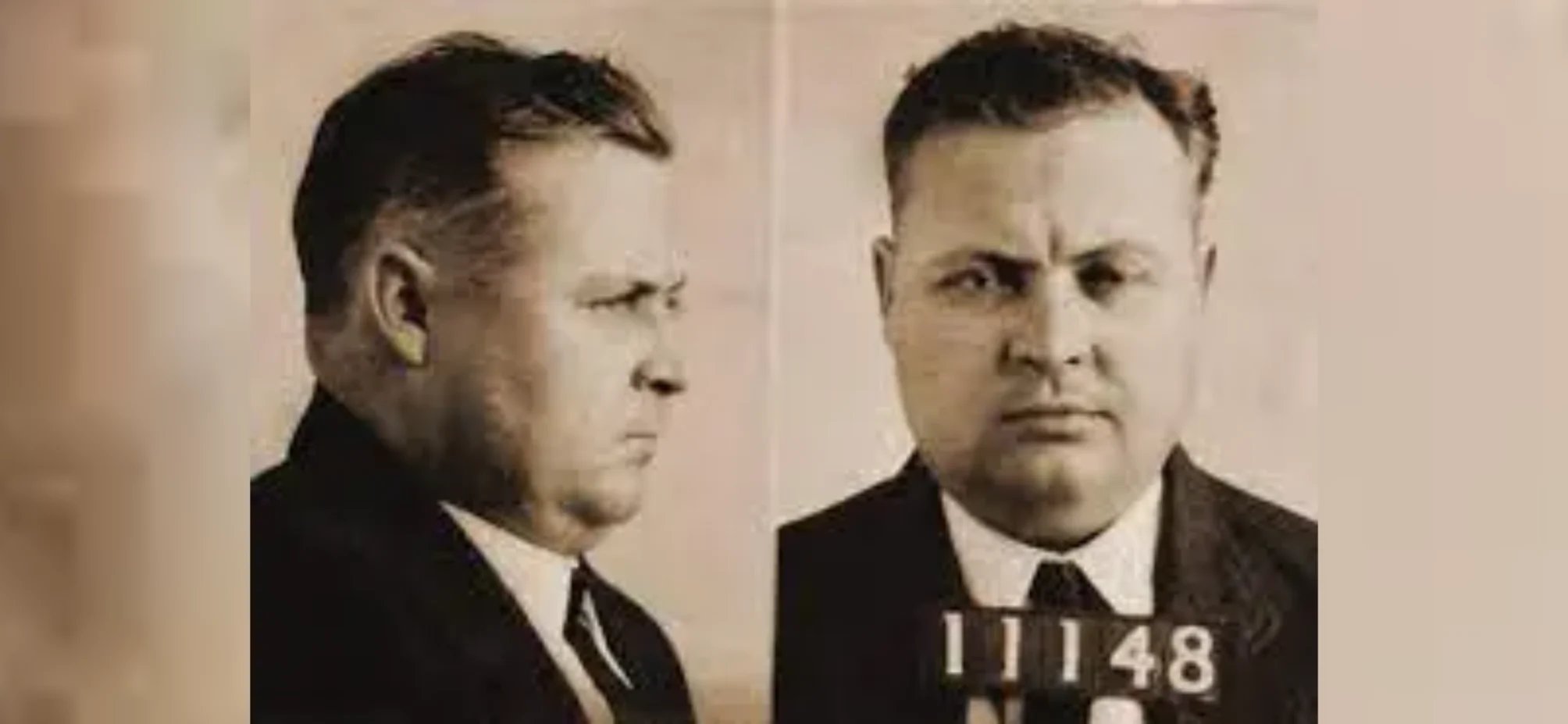
D.C Stephenson’s Hamilton County Mug Shot
(Indiana State Archive)
In the 1920s, Indiana experienced a rapid rise in the influence and membership of the Ku Klux Klan (KKK). At the height of its power, membership was estimated to be approximately one-third of the state’s native-born, white Protestant men.
Institutional Influence and Political Power
The KKK of Indiana operated as a major political and commercial entity rather than a fringe group. Key aspects of their rise included:
Mainstream Membership: The organization drew members from various professional backgrounds, including law enforcement, business, politics, and the clergy.
Political Dominance: Under the leadership of Grand Dragon D.C. Stephenson, the Klan exerted significant control over the Indiana political landscape, culminating in the election of Governor Edward Jackson in 1924 and influence over the state legislature.
Organizational Tactics: The KKK utilized mass gatherings - such as the 1923 Kokomo “Konklave” - and sophisticated recruitment techniques to normalize its presence and message.
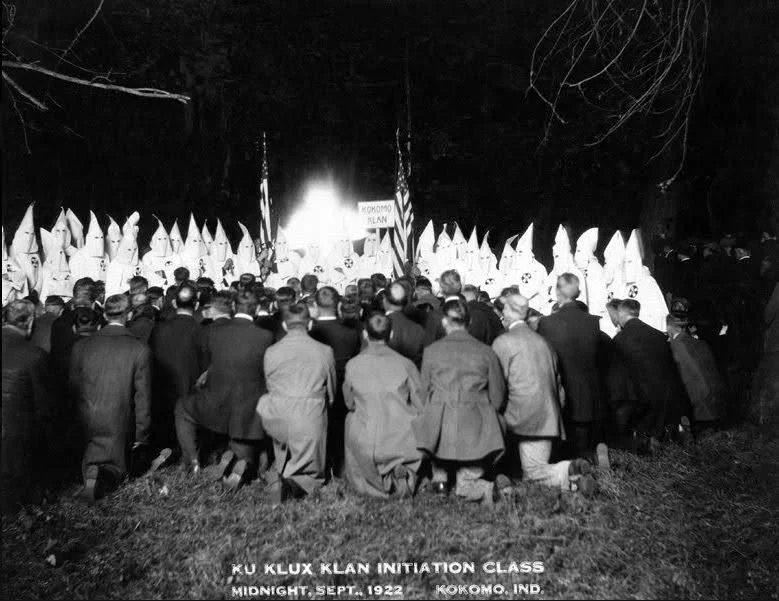
Ku Klux Klan Kokomo meeting 1922.
Ideology, Rhetoric, and Intimidation
This movement was defined by a cruel doctrine of “100% Americanism,” which framed its exclusionary activities as patriotic and moral imperatives. (As if)
Targeted Groups: While their greatest animosity was toward Black Americans and Jewish people, the Indiana branch directed significant hostility toward Catholics, characterizing them as agents of a foreign, authoritarian power. (Can you say scare tactics?)
Methods of Intimidation: They burned crosses, and organized economic boycotts to threaten and silence political or social opposition.
Weaponizing Government and Law Enforcement: Because the Klan controlled city halls and police departments, they could use the legal system to target their enemies. For example, they pressured law enforcement to arrest opponents under the guise of enforcing Prohibition laws, such as the arrest of Rabbi Jacob Hartman for possessing sacramental wine.
Targeted Political Destruction: When political figures stood in their way, the Klan didn't just disagree - they actively sought to destroy them. They successfully used their influence to pursue trumped-up charges against Governor Warren T. McCray, leading to his conviction for mail fraud and his forced resignation from office.
Economic Warfare: The Klan implemented structured boycotts against businesses owned by Jews, Catholics, and African Americans, labeling them as "not 100 percent American" to drive them into bankruptcy. They would station members outside of these establishments to distribute The Fiery Cross specifically to intimidate both business owners and their patrons.
Control of Information and Influence: They used their massive budget not only for "philanthropy" but to bribe public officials and pay off enemies, effectively purchasing political outcomes. Their reach was so extensive that politicians often felt they had no choice but to seek the Klan’s endorsement if they wanted to remain in office.
Social Ostracization: Beyond physical threats, the Klan used its "klannishness" to enforce social conformity. By holding mass rallies and controlling local fraternities and social clubs, they made it clear that those who did not conform to their moral and exclusionary standards would be socially and economically isolated.
The Fall of a Titan
The Klan’s influence in Indiana rapidly declined in the mid-1920s. Mostly because of a major criminal scandal that rocked the Midwest.
The Stephenson Trial: In 1925, Grand Dragon D.C. Stephenson was convicted to second-degree murder for the kidnapping, brutalizing, and eventual death of Madge Oberholtzer.
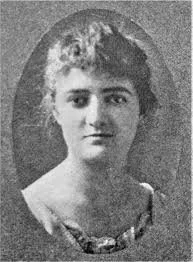
Madge Oberholtzer
Madge Oberholtzer’s fight against D.C. Stephenson was a direct act of bravery that shattered the perceived invulnerability of one of Indiana’s most powerful figures. After being abducted, raped, and beaten by Stephenson and his associates, Oberholtzer took several actions that ultimately brought him to justice:
Attempting to End The Cycle of Abuse: While held captive, Oberholtzer initially considered using Stephenson’s own revolver to take her own life, believing it would save her family from public disgrace. She eventually chose to ingest mercuric chloride tablets instead, a decision driven by her desperation and the trauma inflicted upon her.
Giving a Signed Dying Declaration: Despite being returned home by Stephenson’s men - who believed she would die quietly and that their leader was above the law - Oberholtzer regained consciousness long enough to provide a detailed, signed statement to authorities. This "dying declaration" accounted for the entirety of her abduction and assault, and it served as the critical piece of evidence used to prosecute Stephenson.
Confronting Power: Even before her escape, when she regained consciousness on the train, she directly challenged Stephenson by telling him, "The law will get their hands on you!".
The criminal proceedings following Madge Oberholtzer's death were the catalyst for the rapid collapse of the Ku Klux Klan in Indiana.
The Aftermath of the Stephenson Trial
Public Exposure: The trial publicized the gruesome details of Stephenson’s crimes, stripping away the Klan’s facade as a moral and patriotic organization.
Corruption Revealed: The evidence presented during the trial exposed the extensive corruption Stephenson used to control Indiana’s state government, including his influence over the legislature and the governor’s office.
Loss of Credibility: Because the Klan had framed itself as the primary defender of law and order, Stephenson’s conviction for a violent, criminal act shattered the organization's legitimacy in the eyes of its rank-and-file members.
Political Fracture: Following the trial, political support for the KKK evaporated as elected officials distanced themselves from the organization to avoid the fallout from the scandal.
Organizational Decline: The combination of public outrage, the exposure of systemic corruption, and the loss of political protection led to a swift and massive exodus of members, effectively dismantling the Klan’s grip on the state.
References
Fryer, R. G., & Levitt, S. D. (2007). Hatred and Profits: Getting Under the Hood of the Ku Klux Klan. NBER Working Paper Series. https://doi.org/10.3386/w13417. Cited by: 8
Gullem, M. I. (2025). Hooded Figure$: The Female Profiteers of the Ku Klux Klan (1899-1930). University of California, Santa Barbara Undergraduate Journal of History..
Kerbawy, K. R. (n.d.). Knights in White Satin: Women of the Ku Klux Klan. Marshall Digital Scholar.. Cited by: 7
Molina, C. (n.d.). Visible and invisible empires: the revival of the Ku Klux Klan 100 years ago. St. Mary's University Commons..
Sdunzik, J. (n.d.). Uncovering the Legacy of All-White Towns in Indiana. Purdue University Research Repository.. Cited by: 2
