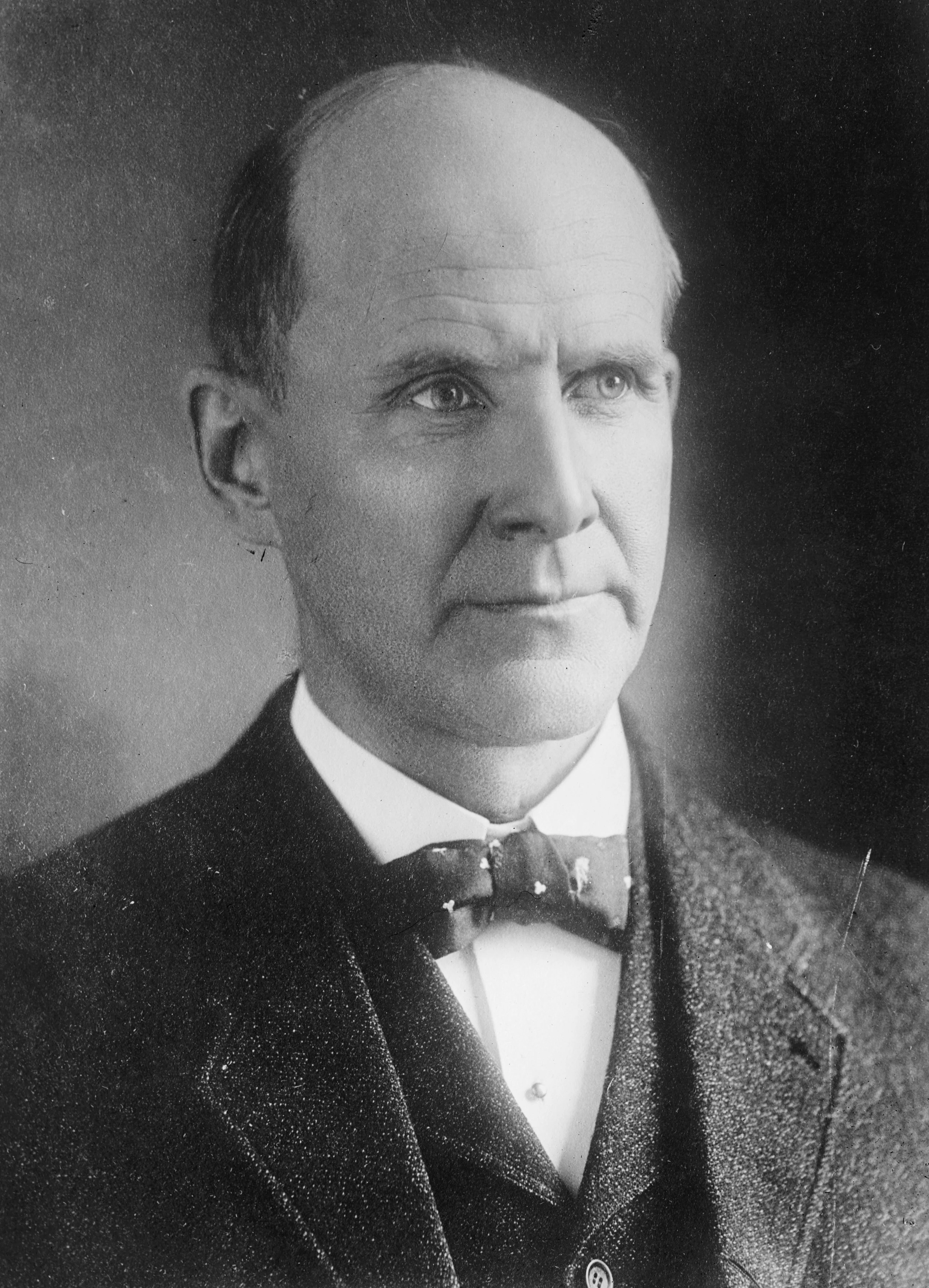
Happy Debs Day!
Let’s be real about why we really have today off.
We call it “Labor Day,” but the federal holiday on the first Monday of September didn’t drop out of thin air, and it definitely wasn’t made to sell mattresses or mark the end of summer. Naw, today exists because of a Railroad Fireman from Terre Haute, Indiana named Eugene Victor Debs.
How I Was Born
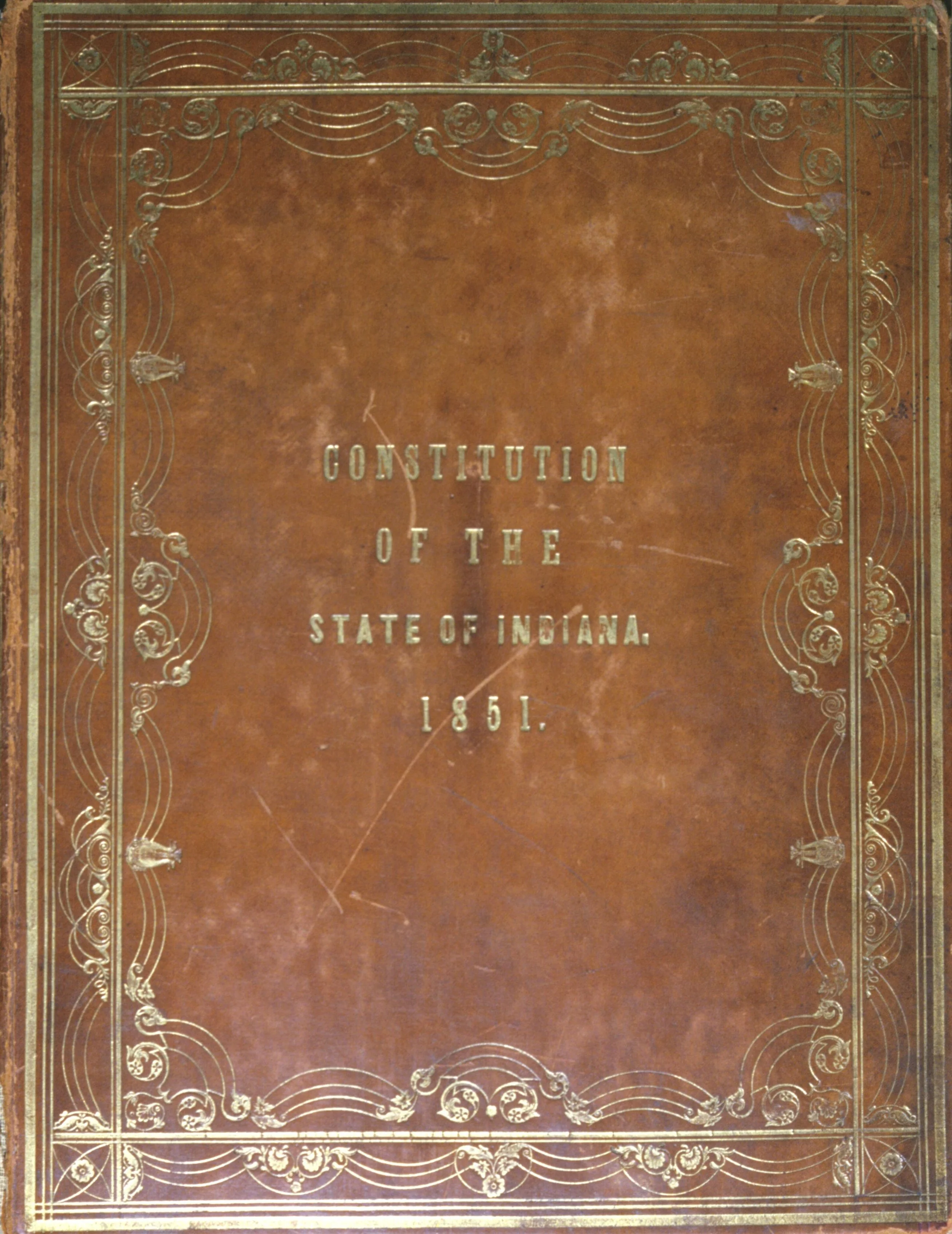
You might know me as the fundamental law of the Hoosier state, but around the archives, I just go by Indy.
I am the 1851 Indiana State Constitution. If you look at me today—stitched, bound, and carefully preserved—you might think I was brought into the world with quiet, dignified reverence. That however, couldn’t be further from the facts. My birth was chaotic, and a result of financial ruin, and a whole lot of arguing.
Sit down, and let me tell you the tale of how I was conceived, and born.
Freedom of Religion: Not Religious Oppression
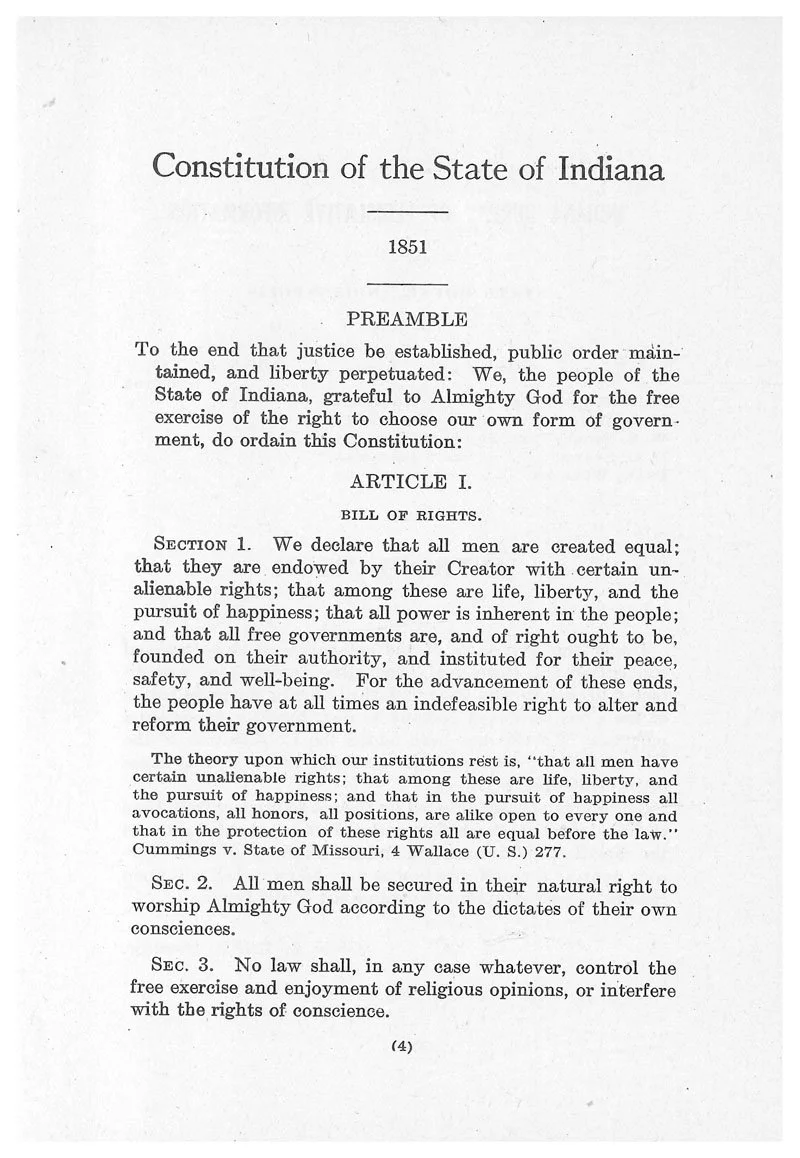
I’ve seen and heard a lot of things as the Indiana State Constitution. However some of the things being said by the current Lieutenant Governor, Micah Beckwith, have me rolling in my display case. Let’s go over my Articles again, shall we, Becky?
The Working Squeeze
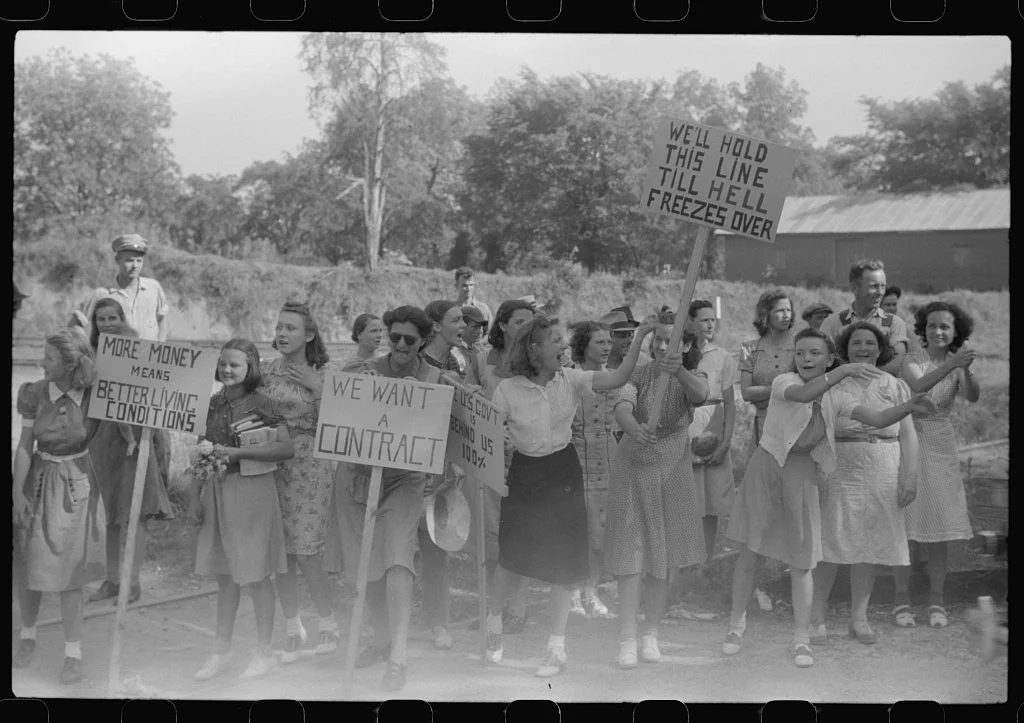
We are all feeling the financial burdens of inflation. Some more than others, and most especially those in poverty who can’t afford for their expenses to keep climbing. Today we are exploring the systemic reason so many of us are struggling today. It’s rooted in the deep history of this nation, and no plainer to see in a state that is selling out to the largest corporations in the world.

Home Sweet Swamp
When most folks think of the Indiana frontier, they imagine dense, towering forests. You couldn’t be further from the truth though. If you rolled into Wells County in the 1830s and 40s, you weren’t just fighting the tree line—you were fighting the water.
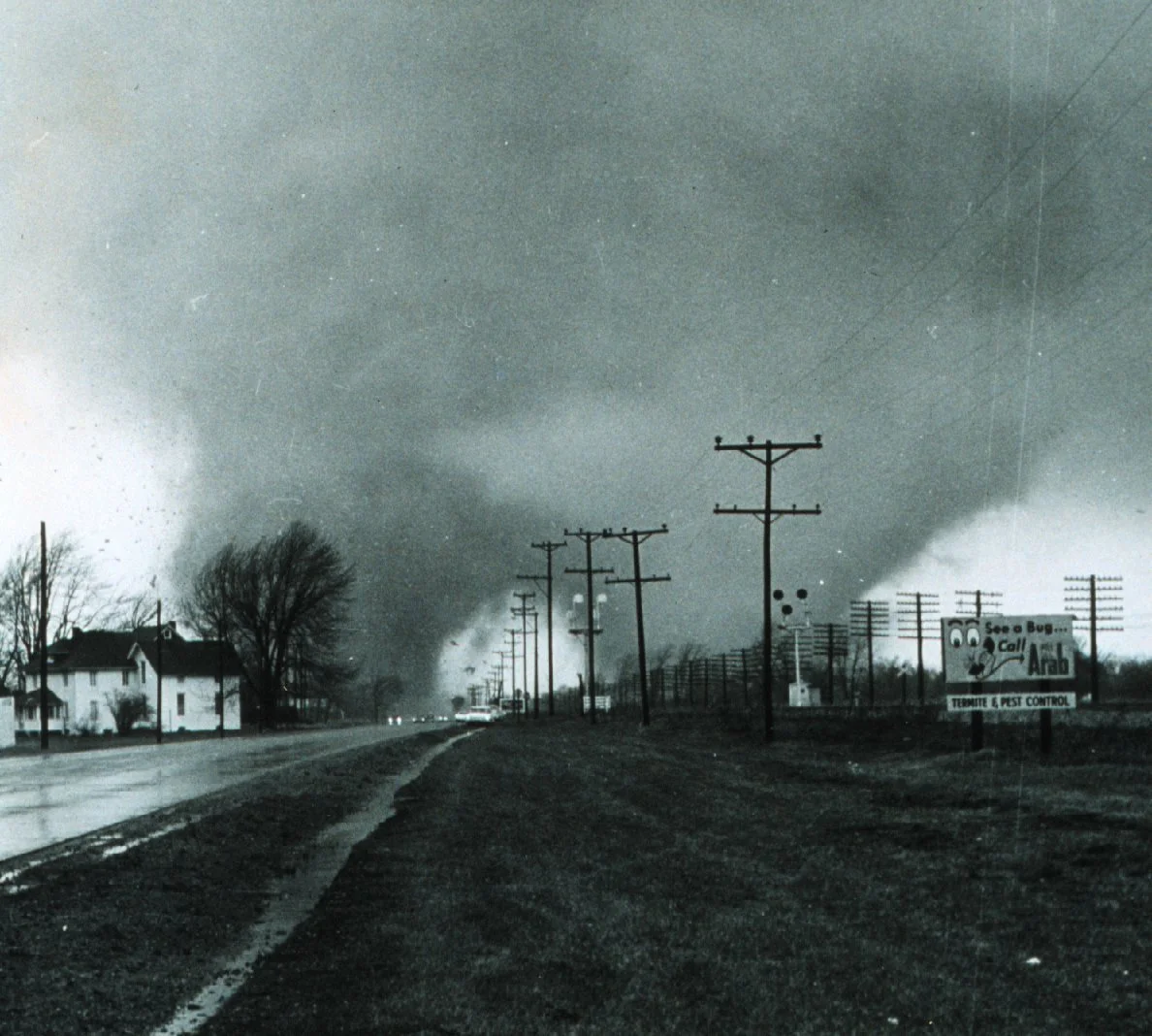
The Day the Sky Wiped It All Away
April 11, 1965 began as a welcome gift. An unseasonably warm, beautiful spring Sunday. A day where Hoosiers flocked outside for backyard barbecues, washed their cars, and walked to morning church services. No one had any idea they were in the crosshairs of a meteorological nightmare.
Greed, Avarice, and the History of Violence
Hoosier history is writhe with tales of the greed of men, their avarice, and the death and destruction it left behind. When we say that greed is violence, it’s not just an abstract play on words. Greed and avarice are at the core of every drop of blood shed for the pursuit of profits. Let’s dive into the grotesque history of what wealthy men will do, in order to make another dollar.
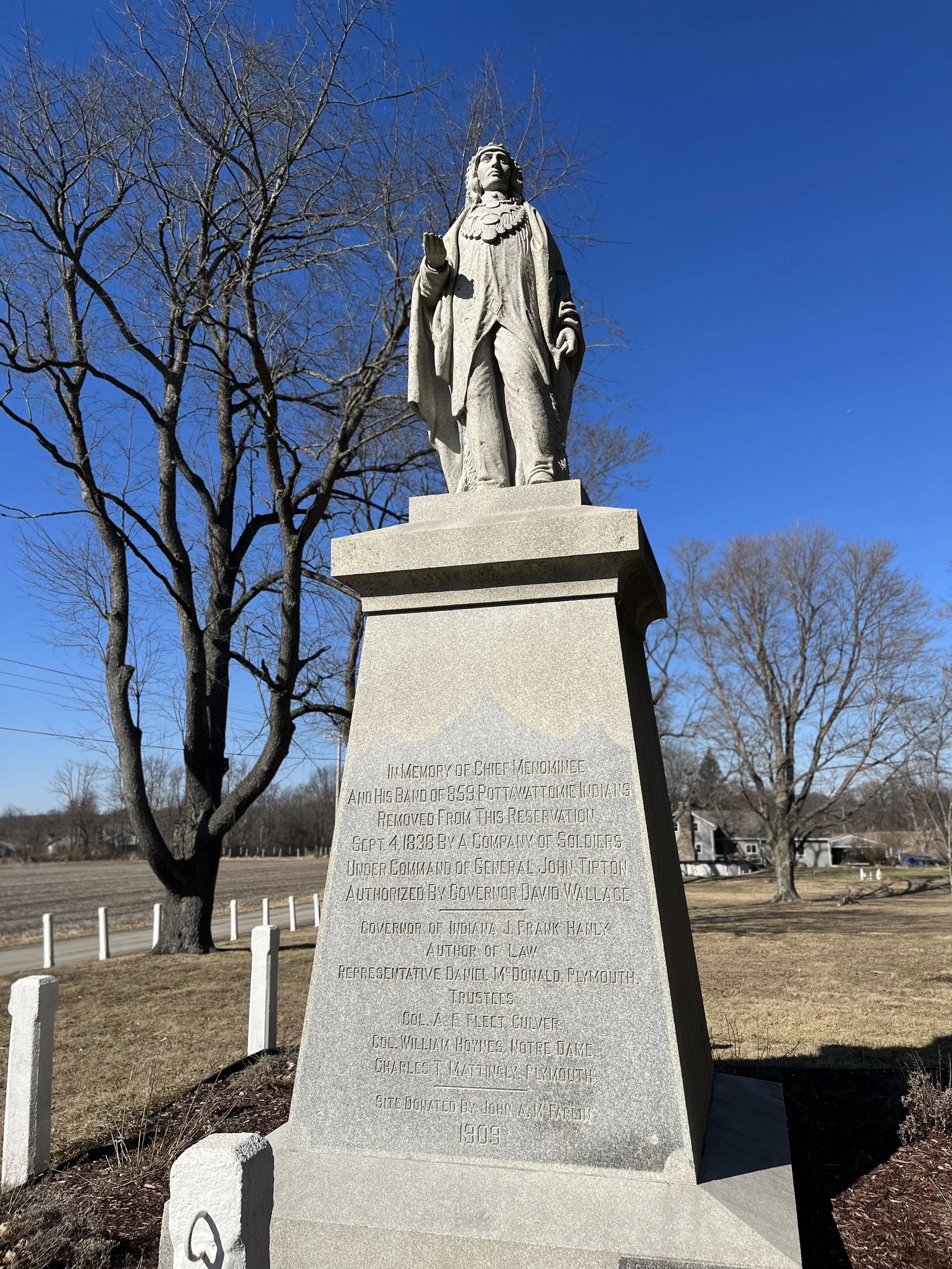
A Trail of Death
Violence is rarely abstract. In the history of Indiana, it has a precise address, a ledger, and even a balance sheet. We often go about teaching history like a series of inevitable collisions—like “Manifest Destiny” sweeping across the frontier—but that’s just sanitizing these events; obscuring the mechanism behind them. When we look specifically at the Potawatomi Trail of Death in 1838, we aren’t looking at an unfortunate byproduct of expansion; we are peering at a calculated, state-sanctioned act of economic extraction.
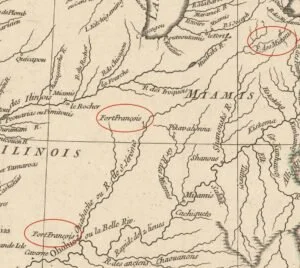
The Settlement Series: Vincennes
Neither the city we see today nor the bustling frontier capital it once was started with a grand plan. Much like the rest of the Wabash corridor, it began as a tenuous lifeline in the wilderness.
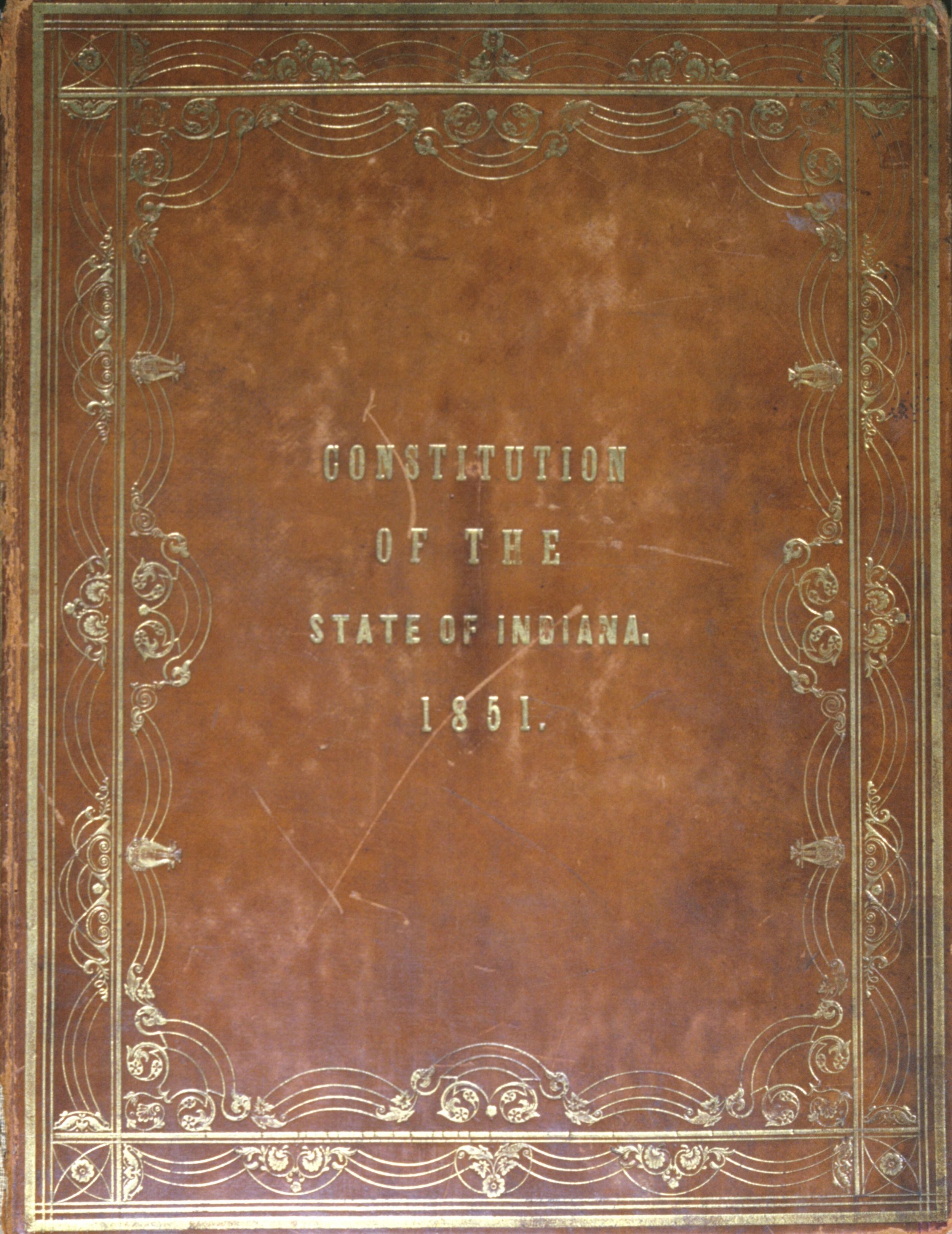
The Winds of Change: Article 1, Section 17
It’s been 175 years, and during that entire time Article 1, Section 17 has been one of the most rock solid, absolute backbones of the Indiana Constitution’s body. Since the ink dried in the winter of 1851, it has stood as a rigid, black-and-white declaration of pretrial rights. It hasn’t budged, it hasn’t changed, it was never compromised!
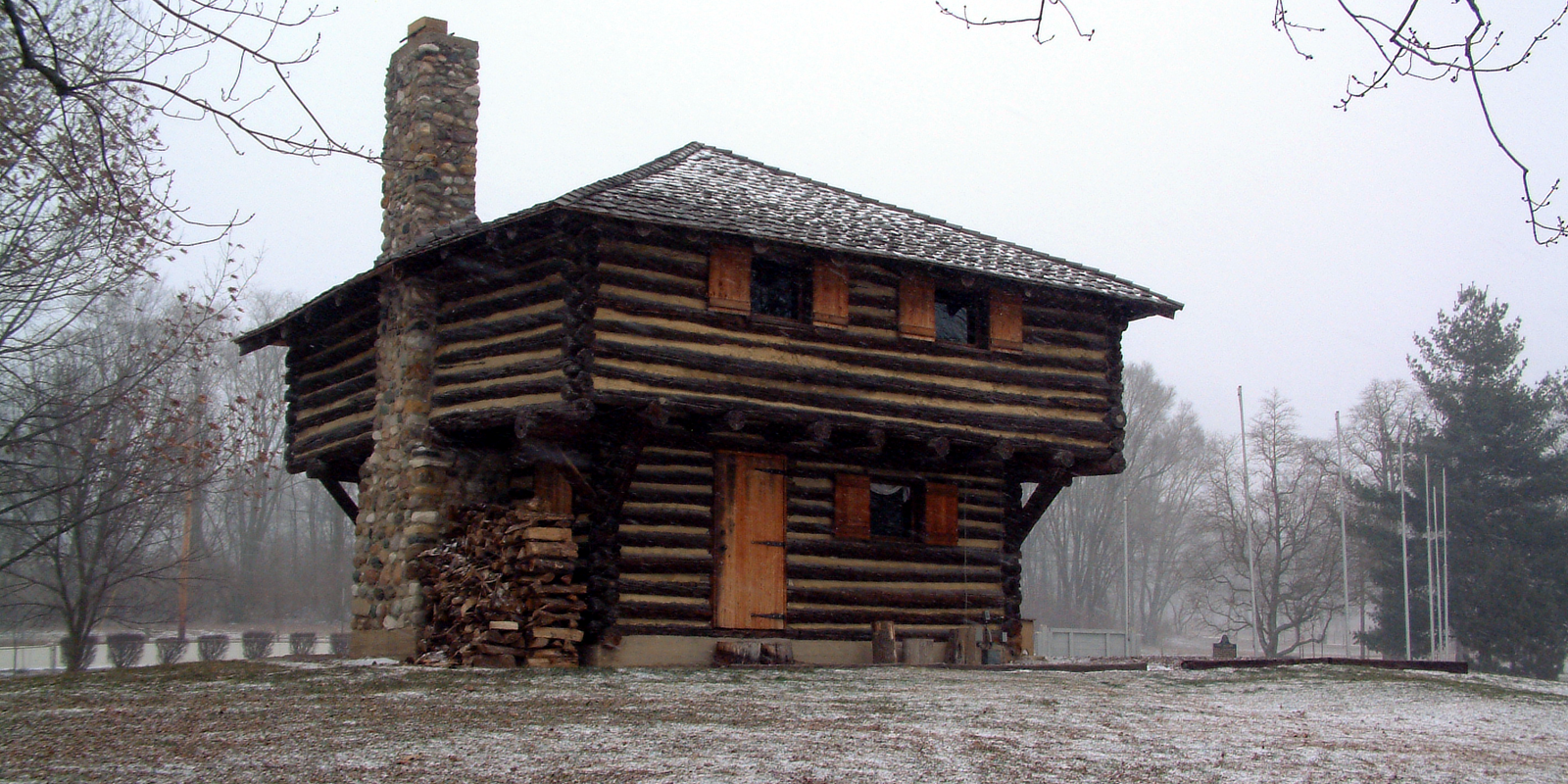
The Settlement Series: Lafayette and West Lafayette
Neither Lafayette nor West Lafayette started with those names, nor were they the bustling urban cities we know today.
They both began as a French trading post by the name of Fort Ouiatenon.
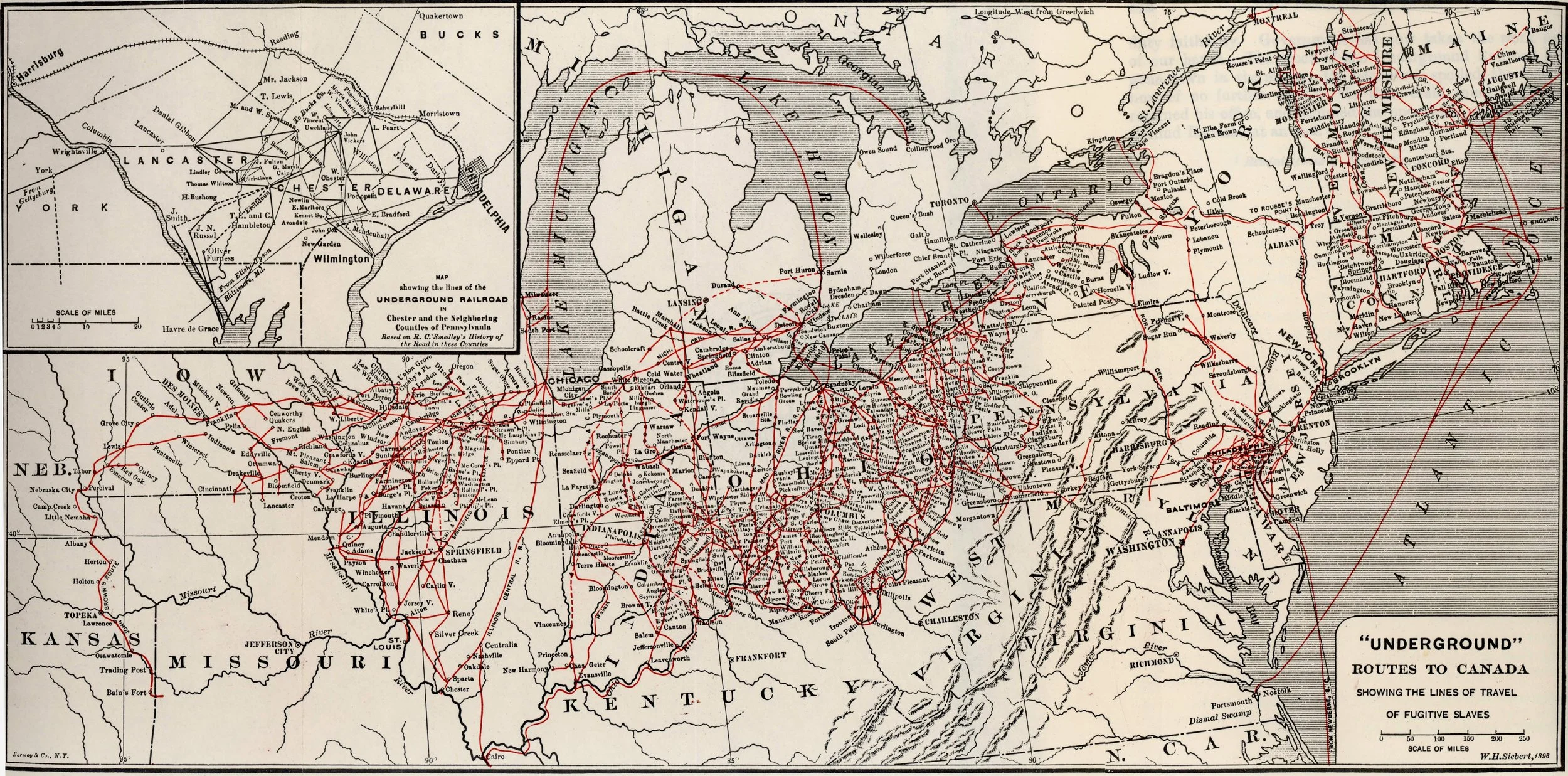
Indiana’s Underground Railroad
The Ohio River was a thread of liquid night under the midnight horizon, but to the thousands who stared across it from the banks of Kentucky, it was a proverbial Jordan. Crossing it was like stepping from the explicit horror of the human bondage into a fragile, precarious version of freedom.
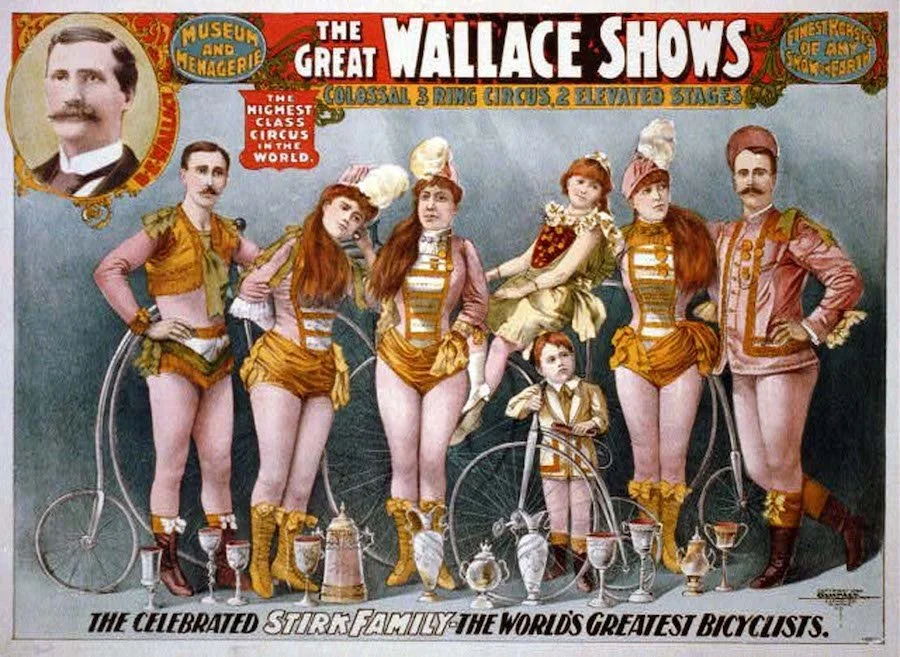
Peru: The Circus Capital
If you think of 19th and early 20th-century Indiana infrastructure, you usually think of the ambitious canal projects or the sprawling electric interurban web that connected the state. Yet, just off of the Mississinewa River, a completely different kind of logistical empire was built on steel rails. For over half a century, the small town of Peru operated as the nerve center for America’s traveling entertainment industry, earning itself the title of “Circus Capital of the World.”

PRIDE Will Never Die
This story doesn’t start in Indiana, but it did lead to what we have seen grow and flourish across our state to this day every single June and July. PRIDE was a movement of organization that took place after the events of at the Stonewall Inn 1969.
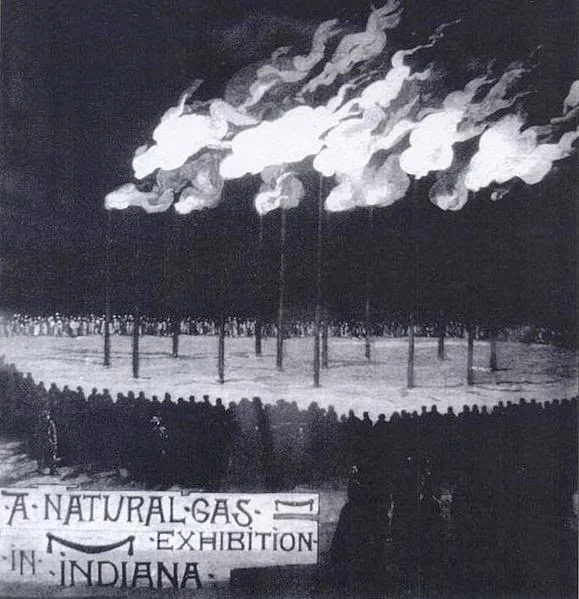
From Drill Bit to Drill BOOM
In the late 1880s, if you stood outside at night anywhere in East Central Indiana, you could read a newspaper by the light of the sky.
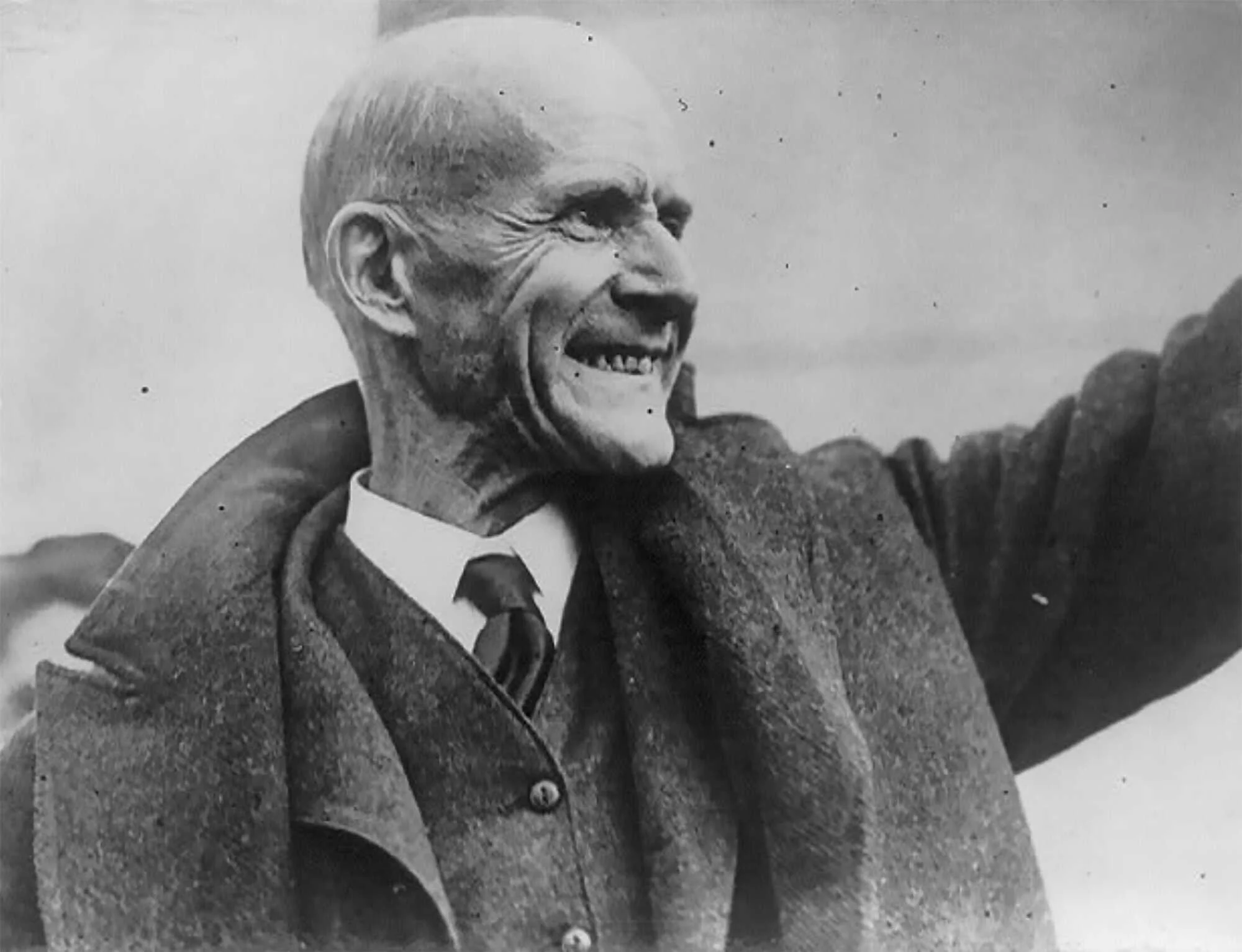
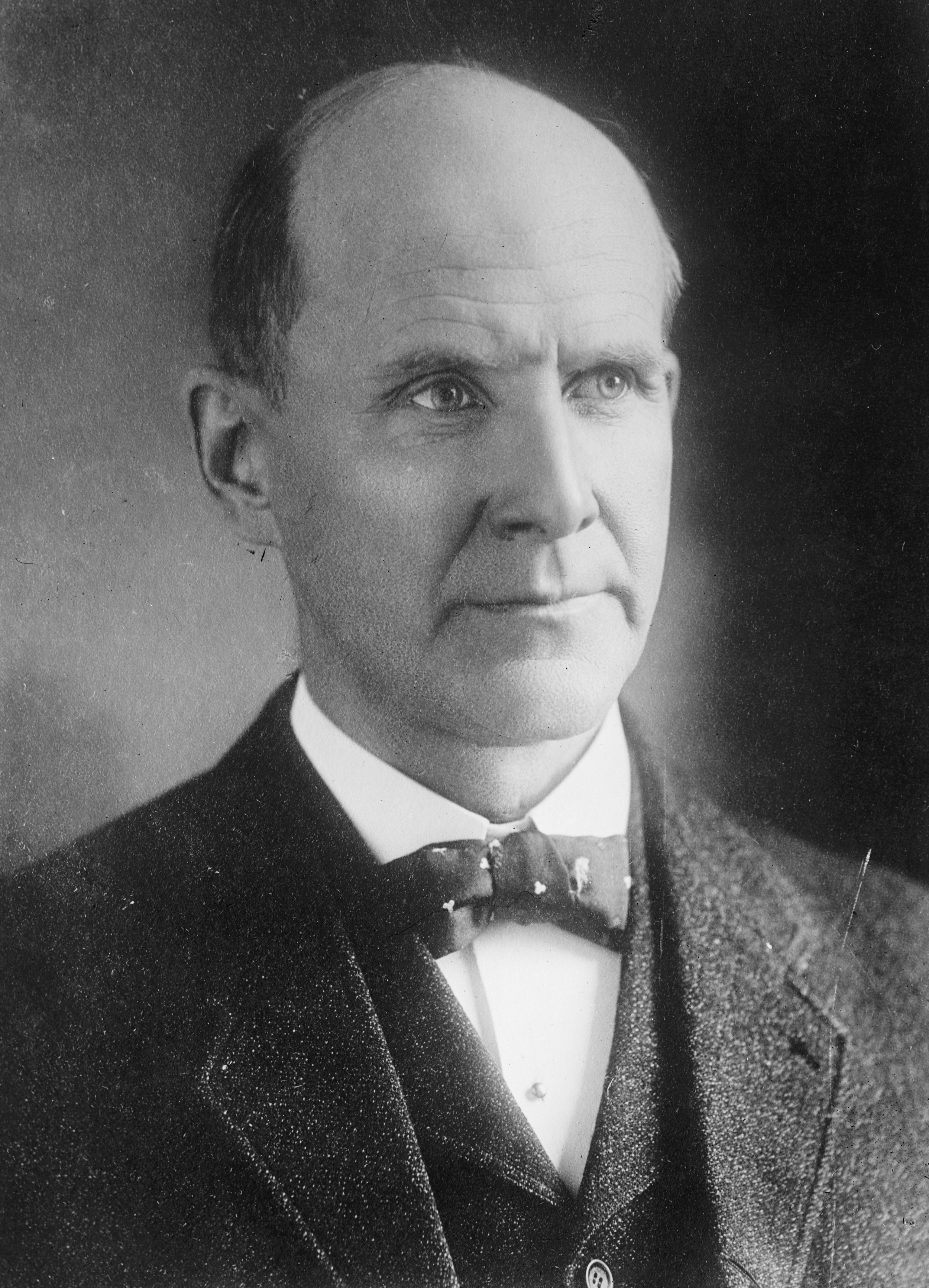
THE Debs Democrat
Way before he ever became the five-time Socialist candidate for President or the nation’s most famous political prisoner, Eugene V. Debs was something else entirely: a mainline, elected Indiana Democrat. History remembers him for his radical clashes with the feds and his towering presence in the labor movement, his political origins were deeply entrenched in the localized, pragmatic machinery of 19th-century Hoosier politics.
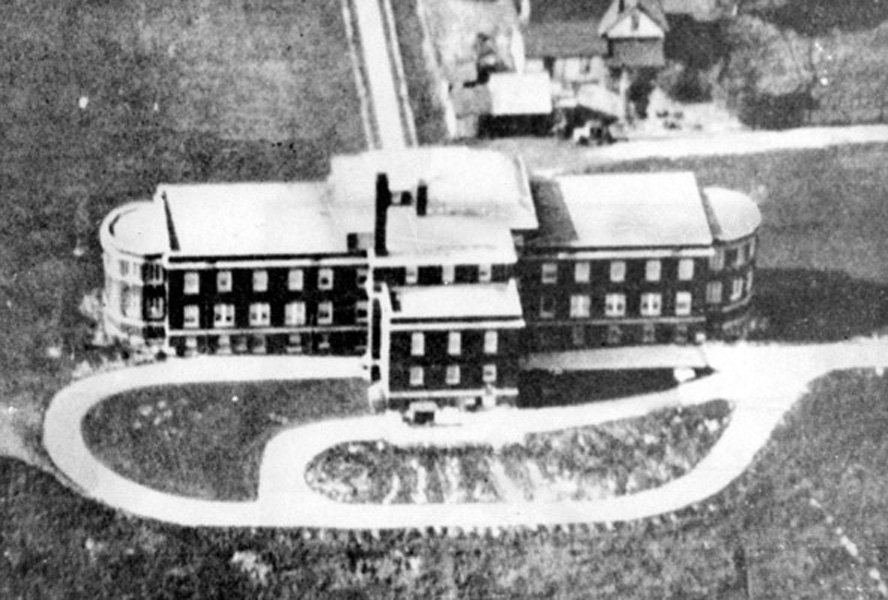
Ascension St. Vincent Kokomo
Originally named St. Joseph Memorial Hospital, Ascension St. Vincent Kokomo, is an amazing example of poetic justice for Midwestern history. It is a tale of patient endurance, a buried medal, and economic collapse that completely inverted a project built entirely out of malice.
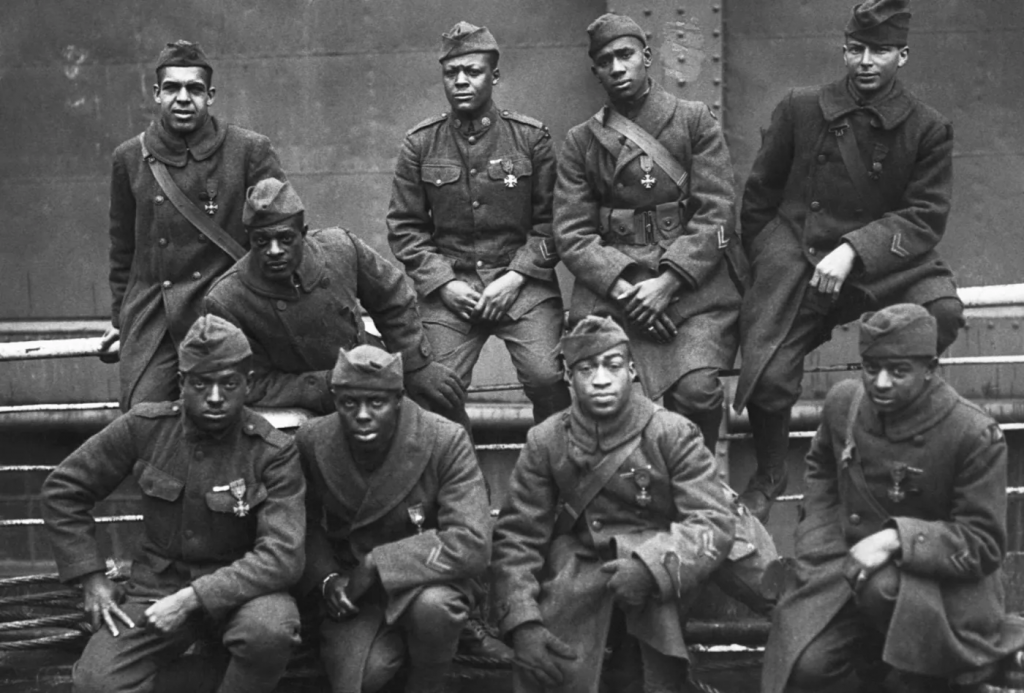
The “Red Summer” Riots
The term “Red Summer” was coined by a civil rights leader and NAACP field secretary by the name of James Weldon Johnson. It refers to a bloody wave of white-supremacist terrorism and racial riots that swept across more than 30 American cities between April and November of 1919.
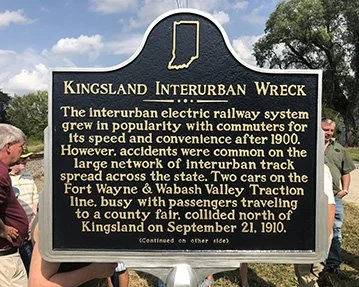
The Kingsland Tragedy
Located on the north side of US 224 and Market St. In Kingsland Indiana stands a lone plaque. Installed there in 2019 by the Indiana Historical Bureau and Wells County Historical Society. It’s a modest reminder of a horrible tragedy that took place on the Kingsland track on September 21, 1910.
A City Built on a Dream
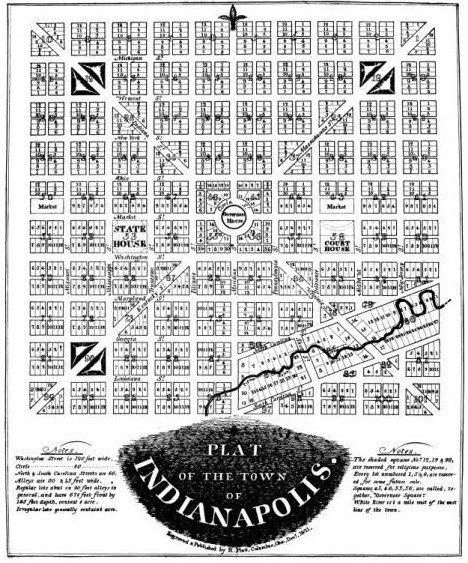
Alexander Ralston designed the Mile Square to draw the region inward toward a shared, centralized civic circle. The mid-century interstate system flipped that logic - it was engineered to help people bypass the city center entirely or escape out to rapidly growing suburbs.